HomeownerOctober 23, 2026 · 7 min read
National vs. Local Vacation Rental Management: The Tradeoffs Nobody Mentions
Table of Contents
You have two proposals on the table. One comes from a national brand, the other from a local team. Both promise more revenue and less stress, and on paper they look almost the same.
Most owners who reach this point are coming from one of three places. A national company where the home started to feel like a number. A local operator who cared a lot but couldn't keep things running. Or managing it themselves, which quietly turned into a second job.
The real question is not which company is bigger. It is who actually shows up for your home, and what you give up to get the strengths each model offers.
This guide focuses on vacation rentals, not long term tenant management. It compares business models, not specific companies, and it is honest about where each one wins.
Considering professional support? See how we manage homes.
What "National" and "Local" Actually Mean Today
National vacation rental management companies are built for scale. They run standardized systems across many markets, with centralized teams for pricing, marketing, reservations and guest messaging, plus field staff in each area.
Local operators are usually run by the owner. The team is smaller, often a handful of people, and their main advantage is deep knowledge of one area: the roads, the neighborhoods, the vendors and the guests who keep coming back.
The line is blurrier than it looks. Some national brands operate through franchise models, where a local owner runs the business under a national name. Some companies that look local have been acquired by larger groups and kept their original branding. Do not assume a local name means local ownership, or that a national name means nobody nearby.
Where National Companies Have the Edge
Being fair here matters. National companies earned their size for real reasons.
- Technology and pricing tools: Large operators can invest in revenue management software, dynamic pricing and data teams that a small shop may not afford.
- Distribution and marketing reach: A national brand often has its own booking site, paid marketing and relationships with Airbnb, Vrbo and other channels.
- Processes that don't depend on one person: Standardized checklists, call centers and backup staff mean the business keeps running when someone is sick or on vacation.
The Tradeoffs National Companies Don't Put in the Pitch
Scale has a cost, and it usually shows up after the contract is signed.
- Your home becomes a line on a portfolio dashboard: Decisions about your rates and listing may be made by someone who has never been inside the house.
- Turnover in local staff: The person who walked your home during the sales process may not be the person who shows up next season. Ask how long local team members usually stay.
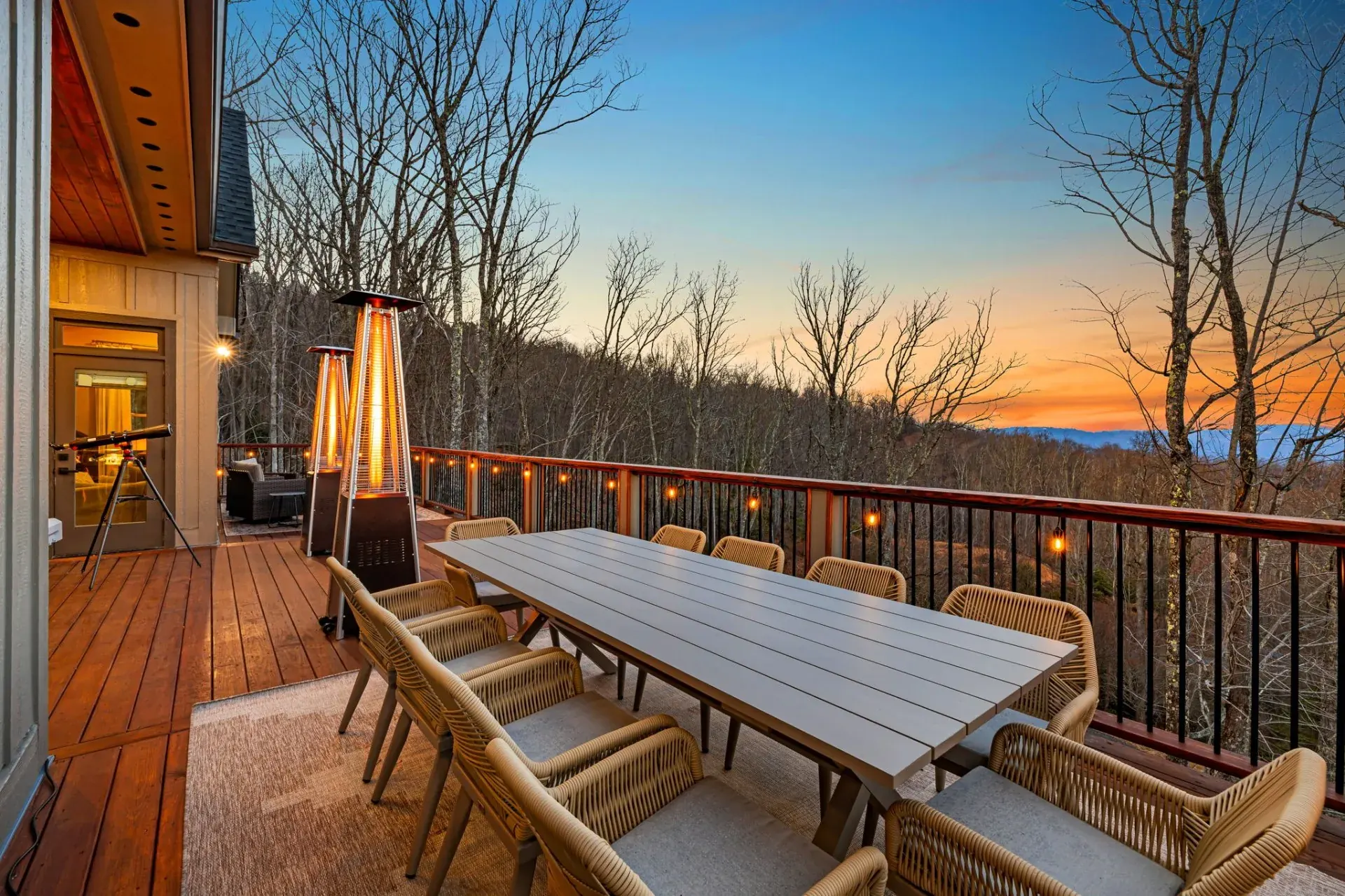
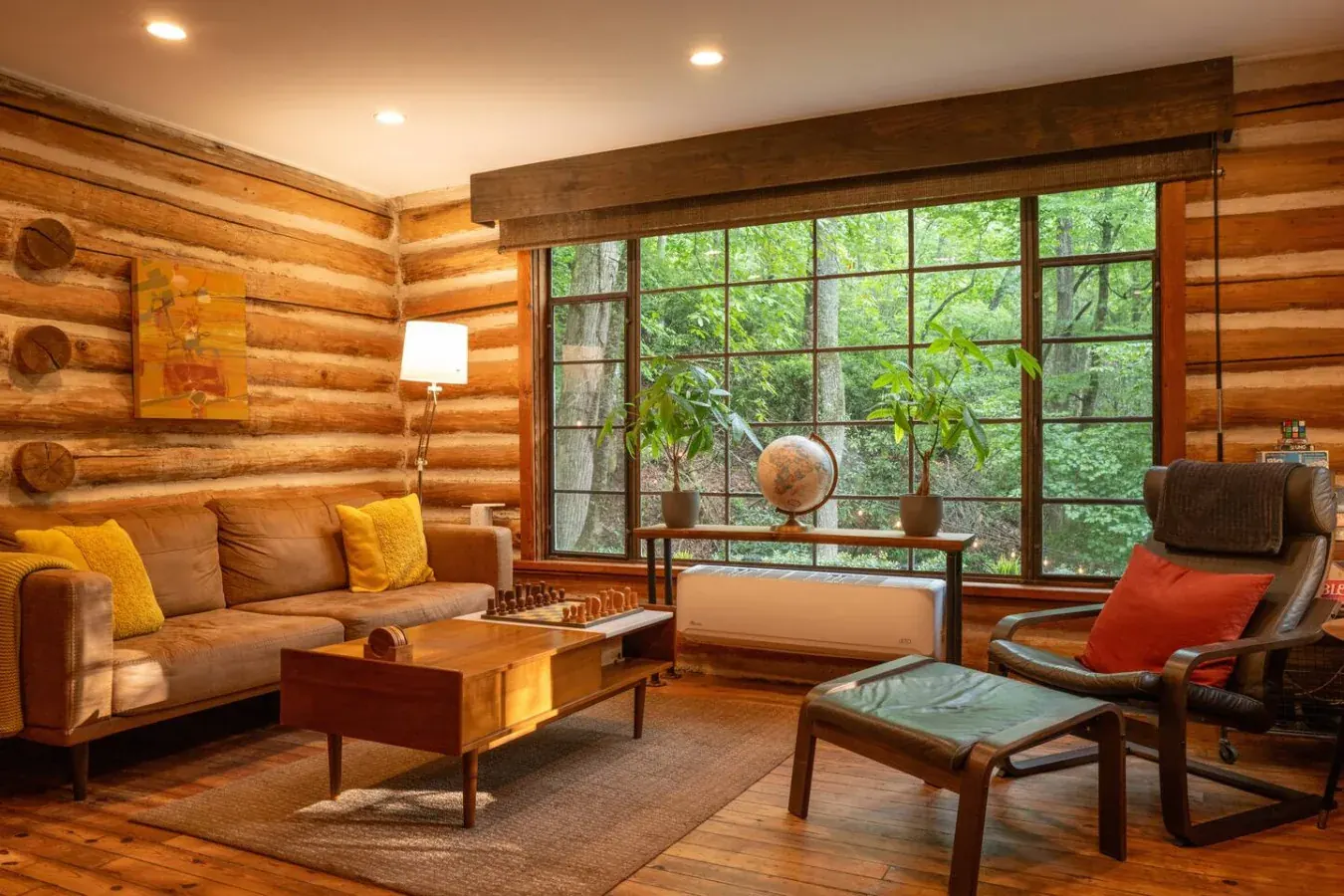
- Standardized listings: A template listing can flatten what makes your home special. A cabin with a big mountain view and a story behind the woodwork reads differently than "3BR mountain retreat."
Where Local Operators Have the Edge
- Someone who knows the road, the HOA and the plumber by name: In western North Carolina that matters. A gravel driveway in January, a well pump that acts up after a storm or an HOA with strict rental rules are easier to handle when the person in charge has dealt with them before.
- Real hospitality: Local teams often build relationships with returning guests and know which restaurant recommendations actually land.
- Direct access to decision makers: When something goes wrong, you can usually call the person who runs the company, not a ticket queue.
The Tradeoffs Local Operators Don't Put in the Pitch
The same things that make a small operator personal can make it fragile.
- When the owner is the system: If one person holds the vendor list, the pricing decisions and the guest relationships, a vacation, illness or fast growth can leave gaps.
- Inconsistent pricing and reporting: Some local shops set rates by feel and send statements that are hard to read. Ask to see a sample owner statement before you sign.
- Thin backup at scale: A small team can do great work on a normal week and still get stretched when many homes need help at once, like after a major storm.
The Questions That Reveal Which Model You're Really Getting
Friendliness and a polished deck tell you very little. These questions tell you more. Bring them to every meeting, national or local.
Read the agreement closely too. Look at the term length, the notice period, any early termination fees, and who controls the listing and its reviews if you leave. Fees outside the headline rate can include setup, linens, maintenance markups and guest paid fees. Do not assume these are included.
- Ask who your daily contact is, and how long they've been in the role.
- Ask who sets your nightly rates, what tools they use and how often rates are reviewed.
- Request a sample owner statement or P&L report.
- Ask who handles a 2 a.m. emergency, and how fast someone can physically get to the home.
- Review the exit clause: notice period, fees, and what happens to your listing and reviews.
- Ask how many homes each local team member is responsible for.
- Confirm who handles occupancy tax filing and local permit requirements for your home.
- Ask who inspects the home after each clean.
Specific answers are more valuable than a general promise that every property gets excellent care.
Why We Built Leisr Stays to Do Both
We manage vacation rentals for owners who want both: a team that knows their home, and the systems to run it well. We handle pricing, guest communication, cleaning and home care, so your home earns well and stays in great shape, without becoming a second job for you.
The way we describe the goal is simple. "The attention of the host down the street. The capability of a national operator."
We're also selective about the homes we take on, not by price point, but by design, location and character. Homes that owners are proud of, and that guests remember.
Which Model Fits Your Property?
There is no single right answer, only a better fit for your home and your goals.
- A national company may fit: An owner focused mainly on volume, with fairly standard homes, who is comfortable with less personal contact.
- A small local operator may fit: A single home in a niche area where local knowledge matters most, with an owner who wants a direct line.
- A hybrid may fit: Owners of distinctive homes, often with more than one property, who want both personal care and real reporting.
- Managing it yourself may fit: An owner with one home nearby, plenty of time, and a real interest in running it, who is ready to treat it like a part time job.
Once you know which tradeoffs matter most to you, talk with Leisr Stays about your vacation rental management goals.